

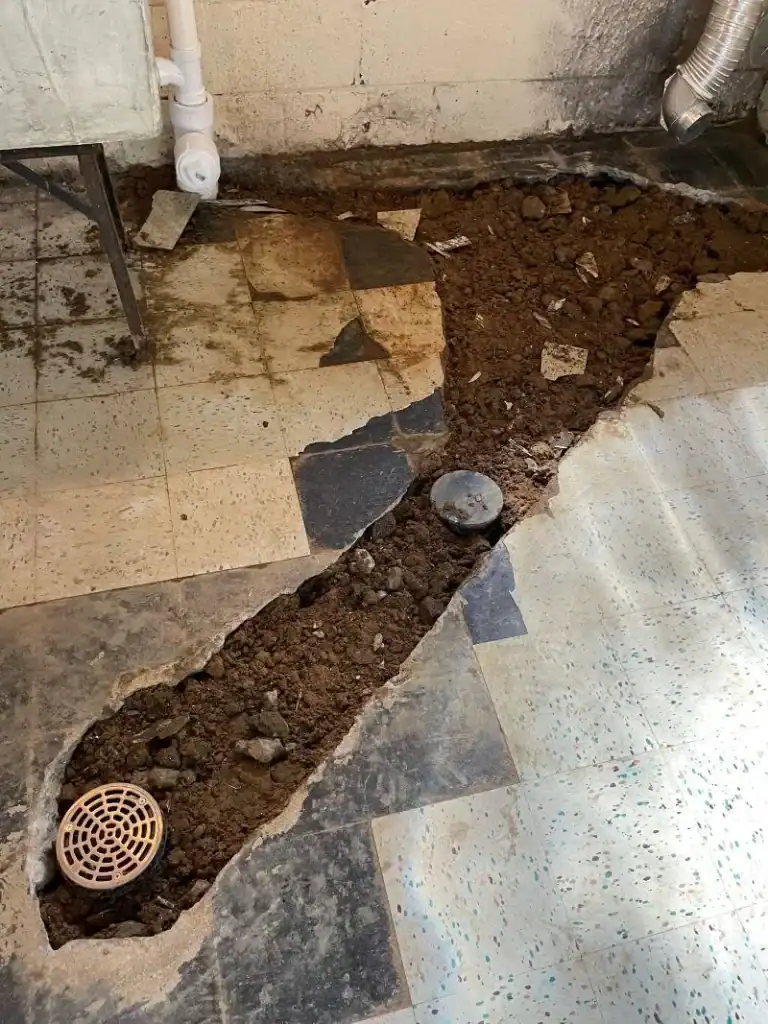
Water Leak Under Your Foundation — What It Means and What To Do Next
Finding out you have a water leak under your foundation is the kind of news that makes your stomach drop. It sounds catastrophic — and if ignored long enough it can be. But caught early and handled correctly, a foundation water leak is a manageable repair that thousands of San Diego homeowners navigate every year. Here is everything you need to know about what causes them, what they do to your home, and what happens when you call a professional to fix it.
Table of Contents:
- What Causes a Water Leak Under the Foundation
- How Foundation Leaks Differ From Slab Leaks
- The Damage Timeline — What Happens Over Time
- How Professionals Find the Leak
- Repair Options Explained
- Prevention Tips
- FAQ
What Causes a Water Leak Under the Foundation?
Aging Copper Pipes The majority of foundation leaks in San Diego homes come from corroding copper pipes. Homes built before 1990 were plumbed with copper that reacts over decades with California’s mineral-rich water supply. The result is pinhole corrosion that starts small and grows.
High Water Pressure Excessive water pressure puts constant stress on pipe joints and connections. Over time this stress causes failures at the weakest points — often beneath the slab where pipes make turns or connections.
Shifting Soil North County San Diego has expansive clay soil in many areas that swells when wet and contracts when dry. This seasonal movement puts physical stress on pipes buried beneath the foundation and eventually causes them to crack or separate at joints.
Electrolytic Corrosion When copper pipes come into contact with certain soils or other metals, an electrochemical reaction accelerates corrosion dramatically. This is particularly common in older San Diego neighborhoods where pipes have been in contact with the surrounding soil for decades.
Foundation Leak vs Slab Leak — Is There a Difference?
Week 1 to 2: Water saturates soil beneath foundation. No visible signs yet but your water bill begins climbing.
Month 1: Moisture begins wicking upward through the concrete. You may notice damp spots on flooring or a musty smell.
Month 2 to 3: Mold begins growing beneath flooring and inside wall cavities. Foundation soil continues eroding.
Month 3 to 6: Visible cracks appear in walls or floors as the foundation shifts. Water damage to flooring becomes significant.
Beyond 6 Months: Structural damage, extensive mold remediation required, and repair costs multiply dramatically.
The message is simple — the sooner you act the less it costs and the less damage your home sustains.
How Professionals Find a Leak Under the Foundation
Modern slab leak detection does not involve tearing up your floor and hoping to find the problem. Professional plumbers use a combination of tools to locate leaks precisely before any access point is made.
Acoustic Listening Devices amplify the sound of water escaping pressurized pipes through the concrete. An experienced technician can identify the exact location of a leak by the sound signature it produces.
Thermal Imaging Cameras detect temperature variations in the concrete surface caused by hot or cold water escaping from below. Hot water leaks create warm spots that are clearly visible on thermal imaging.
Pressure Testing isolates sections of the plumbing system to confirm which line is leaking and approximately where the pressure loss is occurring.
Electronic Line Tracing maps the exact routing of pipes beneath the slab so detection equipment can be positioned correctly over each line.
Cost Comparison
| Scenario | Estimated Cost |
|---|---|
| Early detection and spot repair | $500 – $1,500 |
| Delayed repair with minor damage | $2,000 – $4,000 |
| Repair with foundation damage | $8,000 – $20,000+ |
| Full repipe after multiple leaks | $4,000 – $8,000 |
Frequently Asked Questions
Severe long-term foundation leaks can cause differential settlement — meaning parts of the foundation sink unevenly. This is why early intervention is so important.
Supply line leaks are pressurized and typically cause higher water bills and warm floor spots. Drain line leaks are not pressurized and more often cause odors and slow drains. Professional detection confirms which system is involved.
In most cases yes, but significant mold growth or structural movement may require temporary relocation during repairs. We assess each situation individually.
Most repairs are completed in one to two days. Larger projects involving pipe rerouting or full repiping may take slightly longer.
For repairs that go through the slab interior, your yard is typically not affected. Exterior foundation leaks may require limited yard access.